

How Do I Help My Cat with Separation Anxiety
Medically Reviewed by Dr. Marcus Thorne, BVSc, Veterinary Behaviorist
Written by the SickCat Editorial Team · Updated Apr 15, 2026
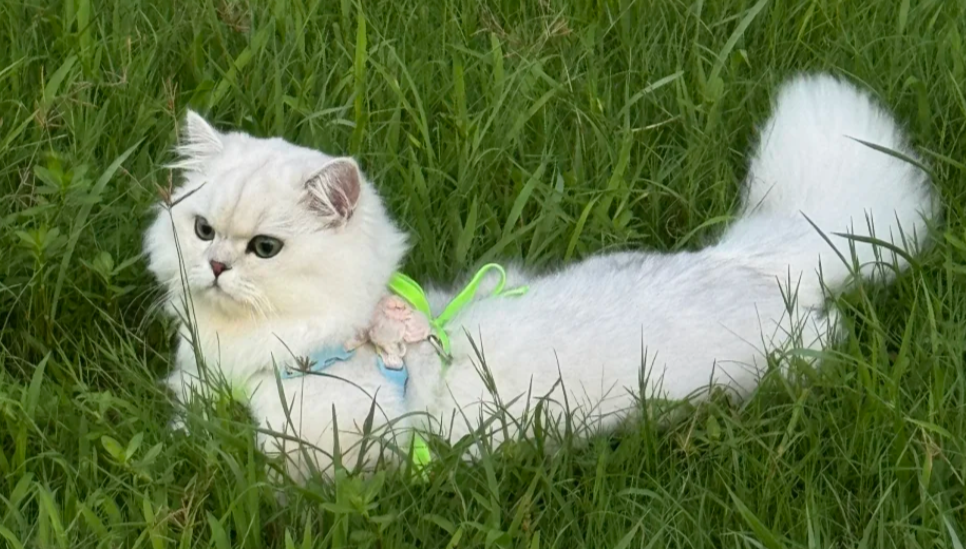
Cats are often perceived as independent creatures, perfectly content to spend time alone while their owners are away. However, many cat owners have discovered that this isn’t always the case. Separation anxiety in cats is a real condition that can cause significant distress for both the feline and their human companions. Understanding how to help your cat cope with periods of separation can strengthen your bond and improve your cat’s quality of life.
Understanding Feline Separation Anxiety
Separation anxiety occurs when a cat becomes distressed due to separation from their primary caregiver or when left alone. Unlike dogs, who may display separation anxiety more obviously through destructive behavior, cats often show more subtle signs that can be easy to miss.
This condition can develop at any age and may be triggered by various life changes, including moving to a new home, the loss of a family member (human or animal), changes in work schedule that result in more time away, or simply a particularly strong bond between cat and owner.
Recognizing the Signs
Separation anxiety in cats manifests through various behavioral and physical indicators:
Excessive Vocalization
Cats with separation anxiety may meow, yowl, or cry excessively, particularly right before you leave or during the time you’re away. This is often a sign of distress rather than a demand for attention.
Inappropriate Elimination
Urinating or defecating outside the litter box, especially on your clothing, bedding, or personal items, can indicate anxiety. This behavior often occurs shortly after you leave.
Excessive Grooming
Some cats cope with anxiety by over-grooming themselves, leading to bald patches, skin irritation, or sores. This self-soothing behavior can become compulsive.
Destructive Behavior
While less common than in dogs, anxious cats may scratch furniture, doors, or windows, particularly near exit points.
Pacing and Restlessness
Anxious cats may pace, seem unable to settle, or follow you around excessively before your departure.
Excessive Affection Before Departure
A sudden increase in demanding attention right before you leave, combined with signs of distress when you prepare to go, can indicate underlying anxiety.
Changes in Appetite
Some cats refuse to eat when alone, while others may overeat out of stress or boredom.
Creating a Comforting Environment
One of the most effective ways to help an anxious cat is to modify their environment to reduce stress and provide comfort:
Establish a Safe Space
Create a dedicated area with your cat’s favorite bed, toys, and items that smell like you. This space should be quiet, comfortable, and include access to food, water, and a clean litter box.
Use Calming Scents
Familiar scents can have a soothing effect. Leave unwashed clothing or blankets with your scent in your cat’s favorite resting areas.
Provide Window Access
Cats enjoy watching the outside world. A window perch with a view of bird feeders or interesting scenery can provide mental stimulation during your absence.
Play Background Sounds
Soft music, nature sounds, or even television can help mask unsettling noises from outside and provide comfort.
Enrichment and Entertainment
A bored cat is often an anxious cat. Keeping your feline mentally and physically engaged can reduce separation-related stress:
Puzzle Feeders and Toys
Food-dispensing toys can keep your cat occupied for extended periods. These devices encourage natural hunting behavior and provide mental stimulation.
Rotating Toy Selection
Rotate your cat’s toys weekly to keep them interesting and novel. This prevents boredom and maintains engagement.
Interactive Play Sessions
Before leaving, engage your cat in vigorous play sessions to tire them out. A physically satisfied cat is often more likely to rest while you’re away.
Vertical Space
Cat trees, shelves, and climbing structures provide opportunities for exercise and can give cats a sense of security and territory.
Establishing a Calm Departure Routine
How you leave can significantly impact your cat’s anxiety levels:
Keep Departures Low-Key
Avoid long, emotional goodbyes. These can inadvertently signal to your cat that leaving is a big deal, increasing their anxiety.
Ignore Your Cat Before Leaving
Give your cat minimal attention for 15-20 minutes before departure. This helps normalize your leaving routine.
Create Positive Associations
Pair your departure with something your cat enjoys, such as a special toy or treat that only appears when you’re leaving.
Practice Brief Departures
Gradually accustom your cat to your absence by leaving for short periods and slowly increasing the duration over time.
Returning Home Matters Too
Your return can also affect your cat’s anxiety patterns:
Stay Calm Upon Return
Avoid rushing to greet your cat. Enter calmly and wait for your cat to approach you if they wish.
Gradual Reconnection
After a brief period of calm, you can engage in normal affectionate interactions and play.
Avoid Extended Welcome-Back Rituals
While it might be tempting to shower your cat with attention after being away, keeping your greeting moderate can help prevent reinforcing anxious behavior.
Building Independence
Helping your cat become more comfortable with independence is a gradual process:
Encourage Solo Play
Teach your cat to play independently with toys, reducing their reliance on you for entertainment.
Independent Feeding Stations
If possible, have your cat’s food available in an area away from where you typically spend the most time.
Self-Soothing Items
Provide items like cardboard boxes, paper bags, or safe plants that cats can explore independently.
When Professional Help Is Needed
If your cat’s separation anxiety is severe or doesn’t improve with these strategies, consider seeking professional guidance:
- Consult your veterinarian to rule out underlying health issues that might be contributing to the behavior
- Consider a feline behaviorist who can provide personalized strategies for your specific situation
- Document your cat’s behavior to help professionals understand the patterns and triggers
The Key to Success
Managing separation anxiety requires patience, consistency, and understanding. Every cat is different, and what works for one may not work for another. The goal is to gradually reduce your cat’s anxiety and help them develop confidence in being alone.
Remember that progress may be slow. Celebrate small improvements and avoid becoming frustrated if changes don’t happen overnight. With time and dedication, most cats can learn to cope better with periods of separation, leading to a happier, more relaxed feline companion.
If your cat shows signs of severe anxiety, distress, or unusual behavioral changes during thunderstorms, please consult a licensed veterinarian for professional guidance. This article is for educational purposes only and does not substitute professional veterinary advice.